The History Of Gym Equipment


Building the Perfect Home Gym: A Comprehensive Guide to Essential Equipment
In the modern-day period, the concept of a home gym has actually transcended the realm of high-end to end up being a useful and increasingly popular option for fitness enthusiasts and casual exercisers alike. The worldwide pandemic has just accelerated this pattern, with many individuals opting to produce their own workout areas in your home. This article looks into the necessary home gym equipment, using insights into what to consider, how to select the best pieces, and tips for maximizing your workout space.
The Benefits of a Home Gym
Before diving into the equipment, it's essential to understand the benefits of having a home gym:
- Convenience: No more commuting to a crowded gym. You can work out whenever you want, in the convenience of your own area.
- Cost-efficient: While the preliminary financial investment can be significant, it often settles in the long run, especially when compared to the repeating expenses of gym memberships.
- Privacy: You can exercise without feeling uncomfortable or evaluated, which can be especially helpful for those who are brand-new to fitness.
- Customization: Tailor your workout environment to your specific requirements and choices, from the kind of equipment to the atmosphere.
Necessary Home Gym Equipment
When establishing a home gym, it's vital to focus on equipment that uses adaptability and value. Here are some must-have products:
Dumbbells and Barbells
- Dumbbells: Essential for a wide range of exercises, from strength training to cardio. Consider a set that consists of different weights to accommodate different fitness levels.
- Barbells: Ideal for substance movements like squats, deadlifts, and bench presses. A great quality Olympic barbell can be a worthwhile investment.
Adjustable Bench
- An adjustable bench is flexible and can be used for a range of workouts, including bench presses, slope presses, and decline presses. Try to find one that is tough and can support your weight.
Resistance Bands
- Resistance bands are light-weight, portable, and offer a full-body workout. They are especially helpful for including resistance to bodyweight exercises and for rehabilitation.
Kettlebells
- Kettlebells are terrific for practical training and can be used for a vast array of workouts, including swings, snatches, and cleans. They are likewise efficient for improving grip strength.
Pull-Up Bar
- A pull-up bar is a cost-effective way to work on your upper body strength. It can be installed in a door frame or as a standalone piece of equipment.
Cardio Equipment
- Treadmill: Ideal for running and walking, treadmills are a popular choice for cardio workouts.
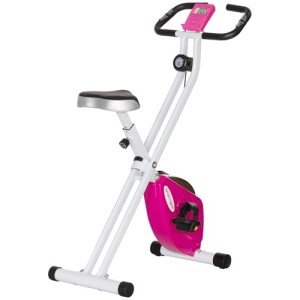
- Exercise Bike: Whether you prefer a stationary bicycle or a spin bike, this equipment is excellent for low-impact cardio.
- Dive Rope: A simple and reliable tool for high-intensity period training (HIIT) and enhancing cardiovascular health.
Yoga Mat
- A yoga mat is important for floor exercises, yoga, and stretching. It provides cushioning and grip, making your exercises more comfy and safe.
Foam Roller
- A foam roller is a helpful tool for self-myofascial release, helping to reduce muscle stress and improve flexibility.
Extra Considerations
- Space: Measure your workout area to guarantee you have enough room for your equipment. Consider multi-functional pieces that can save area.
- Budget plan: Set a budget and focus on the equipment that aligns with your fitness goals. You do not require to break the bank to produce a reliable home gym.
- Quality: Invest in premium equipment that is durable and safe. Exercise Bicycle For Sale may appear appealing, however they can result in disappointment and prospective injuries.
- Storage: Organize your equipment to keep your gym area tidy and functional. Racks, racks, and storage containers can assist you stay organized.
Frequently asked questions
Q: What is the most flexible piece of home gym equipment?
- A: An adjustable bench is one of the most flexible tools. It can be used for a large range of workouts, consisting of bench presses, incline presses, and decrease presses, making it a valuable addition to any home gym.
Q: How much space do I require for a home gym?
- A: The space required depends on the equipment you select. A minimum of 100 square feet is normally suggested, but you can use less by choosing compact and multi-functional pieces.
Q: Is a treadmill needed for a home gym?
- A: A treadmill is not necessary, but it is a popular option for cardio exercises. Alternatives like a jump rope, exercise bike, and even a set of stairs can supply effective cardio training.
Q: How frequently should I replace my resistance bands?
- A: Resistance bands need to be changed every 6 to 12 months, depending upon usage and wear. Frequently examine them for indications of wear and tear to guarantee safety.
Q: Can I build muscle with a home gym?
- A: Absolutely! With the best combination of equipment and a consistent workout regimen, you can build muscle efficiently in your home. Concentrate on substance movements and progressive overload to see results.
Developing a home gym is a rewarding investment in your health and wellness. By thoroughly picking the right equipment and considering your space and spending plan, you can build a practical and flexible workout environment that satisfies your fitness goals. Whether you're a seasoned professional athlete or a fitness novice, a home gym can offer the convenience and inspiration you need to remain active and healthy.
Additional Resources
- Fitness Apps: Consider using fitness apps to direct your workouts and track your progress.
- Online Workouts: Many fitness specialists use online classes and tutorials that can match your home gym routine.
- Community: Join online fitness communities to remain motivated and connected with others who share your interests.
By following these pointers and guidelines, you can produce a home gym that not just fulfills your requirements but also improves your total fitness journey.